
This morning, I listened as our neighbors here in Thailand prepared to begin building their new home. The concrete foundations were taking shape, and the first pillars were about to be raised. Somewhere nearby, a voice was chanting, offering blessings over the place where a family would soon live.It was a simple moment, but it caught my attention.
In Thailand, Buddhist blessings are often part of beginning something important, including the construction of a home. The ceremony may include chanting, prayers for well-being, and expressions of hope for harmony and protection. Before the walls are standing, before the rooms have taken shape, there is already an intention for what this place might become.
As I listened, I found myself thinking about a similar tradition in Christianity. Across different Christian communities, families sometimes invite a priest, minister, or other religious leader to bless or dedicate a new home. The prayers may differ, as do the beliefs behind them, but they often express a similar hope: that the home will be a place of peace, love, protection, and spiritual presence.
Two different religious traditions, each recognizing that a home is more than the materials from which it is built. And that led me to another thought.
We can bless a house in a moment. But what makes it a peaceful home is something we create, day after day.
The Atmosphere of a Home
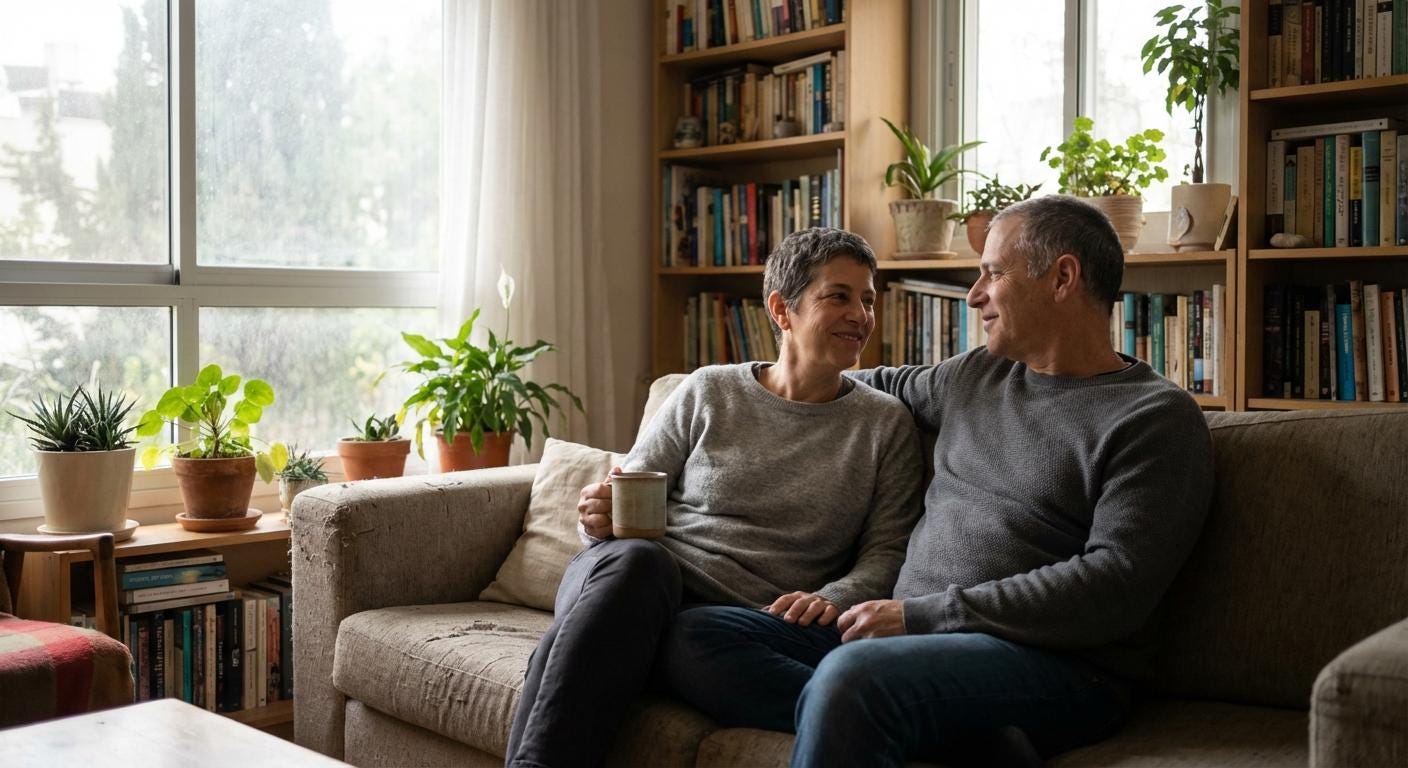
Think for a moment about the homes you’ve entered over the years. Some seem to welcome you almost immediately. There’s a warmth you can feel, even if the furnishings are simple and the surroundings unremarkable. You sense that you can relax, that you don’t have to be particularly careful about who you are or what you say.
Other homes may be beautifully furnished, meticulously maintained, and impressive in every visible way. Yet something feels different. Perhaps there’s tension beneath the surface, an unspoken expectation, or a sense that everyone is being careful not to disturb something.
We often describe these differences by saying a home has a certain atmosphere. But where does that atmosphere come from?
It has very little to do with the walls, the furniture, or the decorations, and a great deal to do with the ordinary ways people experience one another. The conversations around the dinner table, the way disagreements are handled, the freedom to express a feeling without fear of being judged. Over time, these small interactions become the emotional environment in which everyone lives. And often, we’re contributing to that environment without even realizing it.
What We Carry Through the Door
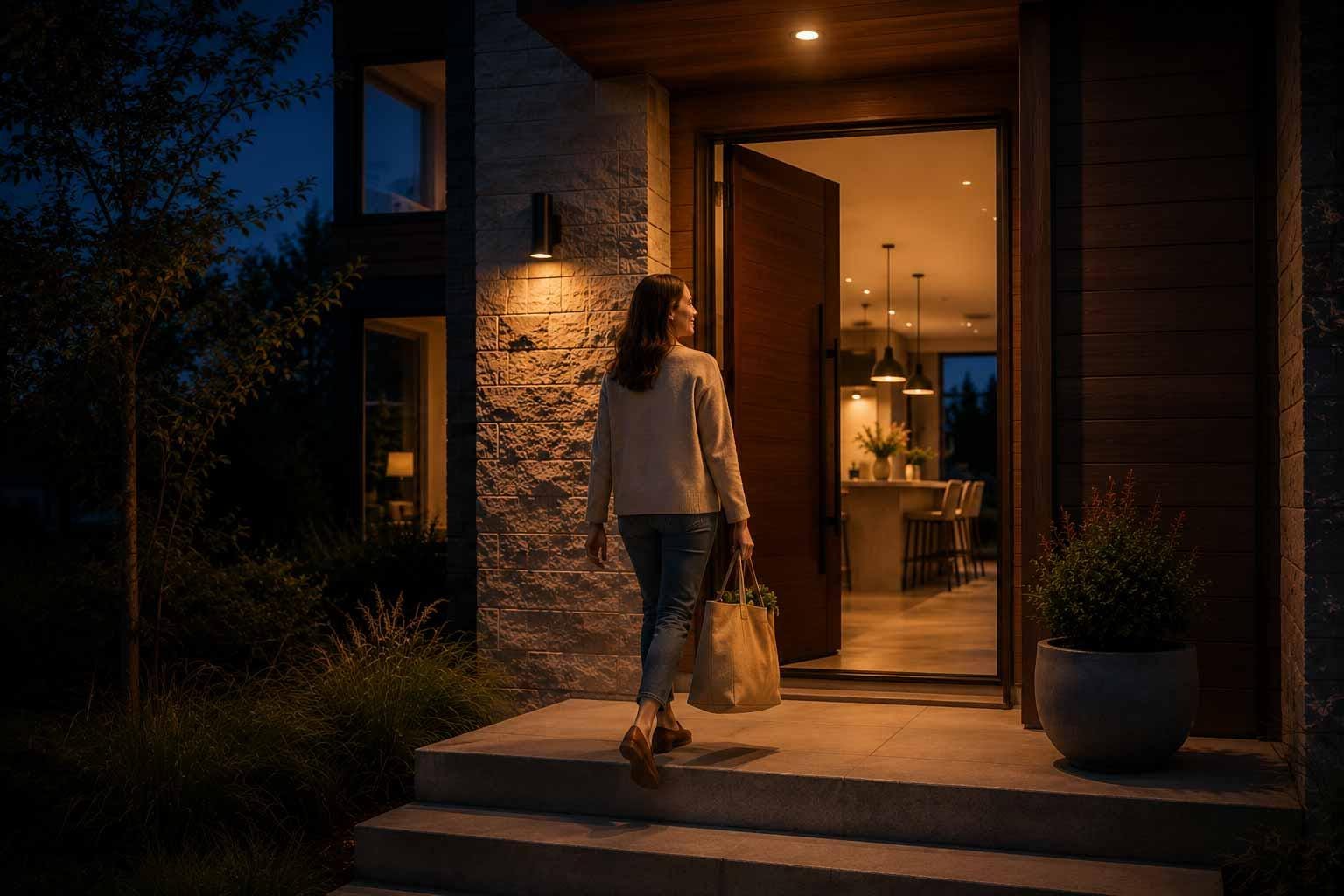
There’s another dimension to this that I find especially interesting. We tend to think of the atmosphere in our home as something that surrounds us, something we enter when we walk through the door. But we’re also bringing something through that door.
Perhaps we’ve had a frustrating day. Someone has disappointed us, a conversation hasn’t gone well, or we’re carrying worries that haven’t quite settled. We may not say anything about those experiences, yet they can influence how we respond to the people closest to us.
A small irritation becomes a sharp reply. A feeling of inadequacy becomes criticism. An unresolved worry makes us less patient with someone who simply wants our attention. None of this necessarily happens deliberately. Much of it unfolds through patterns we’ve developed over a lifetime, and the people around us feel the effects, even when they don’t know where those feelings came from.
I think this is worth considering because we sometimes imagine that creating a peaceful home requires everyone else to behave differently. If only there were fewer disagreements, or someone were a little more considerate. If only life weren’t quite so demanding.
Certainly, relationships involve everyone, and we all share responsibility for how we treat one another. But there is something quietly powerful about recognizing that we can begin by becoming more aware of what’s happening within us. Not by pretending to be cheerful when we’re struggling, or suppressing feelings that need attention, but by noticing what we’re carrying before we pass it along to someone else.
What Are We Really Asking For?
There’s a question that has stayed with me as I’ve thought about these traditions of blessing a home.
Are we asking God to change the atmosphere of our home, or are we committing ourselves to become the kind of people through whom that atmosphere can be created?
When we pray for peace in our homes, we may imagine that peace arriving as something given to us. A blessing that settles over the household, softening disagreements, easing tensions, and making life together a little more harmonious. And there’s nothing wrong with that hope.
But I wonder whether we sometimes overlook our own participation in what we’re asking for.
We may pray for patience while continuing to react impatiently. We may hope for greater understanding while remaining convinced that someone else needs to change. We may ask that our home be filled with love, yet struggle to express that love when we’re disappointed or frustrated.
Not because our intentions are insincere, but because so much of how we respond to life happens before we’ve even stopped to consider it.
Perhaps, then, a home blessing is more than a request for something to happen around us. It can also be an invitation to notice what is happening within us.
What if the peace we’re asking for begins, at least in part, with our willingness to recognize the fears, judgments, and old patterns we carry into our relationships? What if the blessing isn’t simply that our circumstances become easier, but that we become more aware of how we meet those circumstances?
This doesn’t mean we are responsible for everyone else’s happiness or behavior. Nor does it mean that peace depends on our ability to remain calm, kind, and understanding every moment of the day. It means recognizing that we are participants in creating the atmosphere in which we live, and not merely observers of it.
And perhaps that’s where the deeper meaning of dedication begins. We are asking that our home become a place of peace, and in the same breath expressing our willingness to help make it one. The ceremony may last only a few minutes. But the invitation it represents can remain with us for a lifetime.
A Peaceful Home Isn’t a Perfect Home
I think it’s important to distinguish peace from the absence of difficulty.
A peaceful home isn’t necessarily a quiet home. It isn’t one where everyone agrees, where no one becomes frustrated, or where sadness and disappointment never appear. Those experiences are part of being human.
In fact, a home where people feel they must hide their difficult emotions in order to preserve the peace may not be particularly peaceful at all. Perhaps a more meaningful measure is whether people feel safe enough to be human: whether someone can have a difficult day without becoming a problem to be fixed, whether two people can disagree without threatening their relationship, whether a mistake can become an opportunity for understanding rather than another reason for shame. And when we do hurt one another, as we inevitably will from time to time, is there room to acknowledge it, apologize, and begin again?
These are the moments in which the deeper character of a home reveals itself.
Peace, then, is something we learn to return to, together, especially when life becomes unsettled and the disturbances find their way inside.
The Dedication That Continues
As I think back to our neighbors beginning their new home, I appreciate the beauty of what they were doing. Before the first pillars were fully in place, they were taking time to acknowledge that the life lived within those future walls mattered. There is something deeply human about that.
Whether expressed through Buddhist chanting, Christian prayer, or simply a quiet personal intention, we recognize that a home can be more than shelter. It can become a place of belonging, where people are welcomed as they are, where love doesn’t depend on having a good day, and where no one has to earn the right to feel at home.
Of course, there will be moments when we fall short of those intentions. Old habits will return. We will sometimes say things we wish we hadn’t said, or respond in ways that don’t reflect the people we hope to be.
But perhaps what matters most is that we begin to notice. That we recognize the difference between what we’re feeling and what we’re passing along to others. That we become willing to take responsibility for our part without turning every mistake into another reason to judge ourselves.
And gradually, something begins to change. Not necessarily the house itself, or even the circumstances of the people living there, but the experience of being together.
This morning, our neighbors were blessing the beginning of a house that has yet to be built. And I was reminded that the most meaningful work of creating a home continues long after the builders have finished.
A house may be blessed in a single ceremony. But a home is blessed, again and again, through the way we live with one another.
I invite you to consider what you carry through your own door at the end of the day, and what the people on the other side receive from it.
© Dr. Doug Gulbrandsen
I remember walking into a home in Dallas where I instantly felt a sense of holiness. My goal for years has been to allow the Holy Spirit to be present and bring to those visiting my home the peace that the Holy Spirit can bring to us. My church has a hymn titled “Take Time to Be Holy.” My goal is for those visiting my house to feel a Spirit of Holiness. Thank you for this beautifully motivating essay!!