

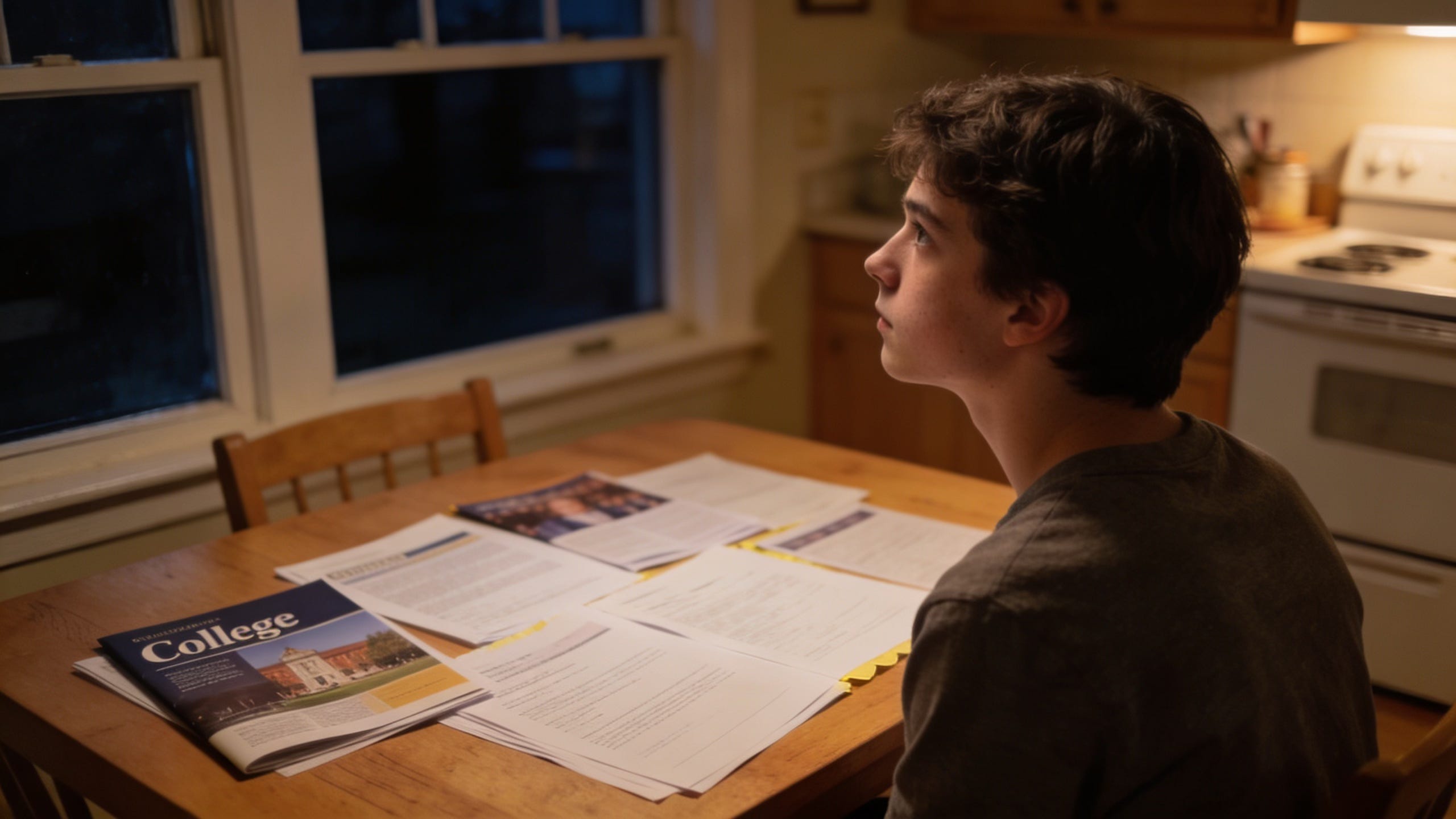
There is a particular kind of conversation that happens in households everywhere when a young person approaches the end of their schooling and the question of direction becomes unavoidable. It tends to begin with the practical, which field, which career, which path offers stability and respect. The person sitting at the center of the question is often the last thing examined.
Most young people make the most consequential choices of their lives with the least self-knowledge they will ever have. This is not a criticism. At eighteen, twenty, twenty-five, the inner layers of who we are have barely had time to surface through the noise of school, family expectation, and the accumulated pressure of peers moving in roughly the same direction. The choice of a career, a field of study, a life direction, arrives before the map does.
What happens in that gap matters. Some people choose a direction that aligns with their natural design, often by accident, or because someone who knew them well gave them the right kind of attention at the right moment. Others spend a decade or two building genuine competency in a field that was never quite a fit, succeeding and being recognized, while something beneath the recognition stays quiet and vaguely restless. A young person gifted at mathematics and disciplined enough to succeed in engineering may spend years in a career that never quite energizes them. From the outside, the picture looks like success, and what it cannot show is the quiet registration of misfit that accumulates over years.
The 4D Personal Portrait addresses this directly. A young person does not need another assessment telling them which career to pursue. What they need is a clearer picture of who they actually are before they commit to a direction.
The outermost layer, the Surface, describes natural communication style and default responses under pressure. Young people are often aware of this in general terms. They have received feedback from teachers and coaches about how they come across. What they rarely have is a precise understanding of how their Surface shapes their experience of different environments, and whether those environments are drawing out the best of who they are or asking them to perform something else entirely.
Below that is Natural Fit: the environments and types of engagement that sustain rather than deplete. This is the layer that matters most in early life decisions and the one most commonly overlooked. Families tend to emphasize what a young person excels at, and guidance systems match interests to industries. Both approaches can miss the more fundamental question: in what kind of environment does this particular person come most fully alive.
Deeper still is the Inner Compass: the values that have to be present for a person to feel genuinely at home in their own experience. At twenty-two these are rarely consciously articulated, but they are already operating. A young person who makes an early choice that violates their Compass will know something is wrong long before they can name it.
At the center is the Inner Spark: the core motivations and attitudes that generate genuine, lasting energy. When the Spark is engaged, sustained effort feels like a natural expression of who you are. Its absence makes even real success feel hollow in ways that are difficult to explain to the people who care most about you.
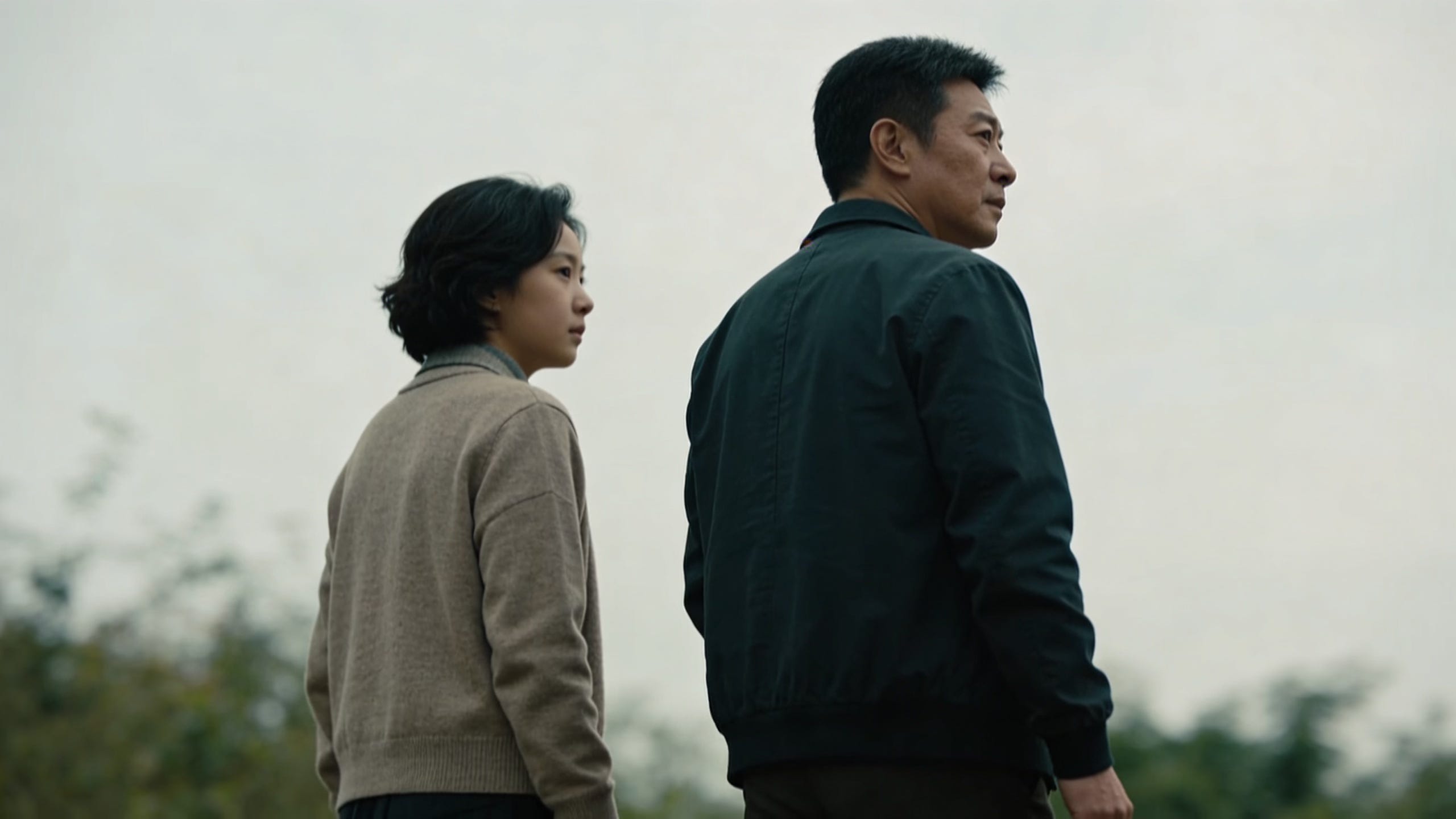
Here is where the conversation becomes more delicate. Parents are often the single most influential force in a young person’s direction decisions, and they almost universally want what is best for their children. The difficulty is that what is best is sometimes shaped, quietly and without intention, by what the parent values, what the parent achieved or wished they had achieved, what the parent understands a successful life to look like. Parents steer from what they know. A career in finance generates different counsel than a career in teaching, not because one parent loves the child more, but because what feels like wisdom is always shaped by what the parent has lived. That shaping is often invisible to both of them.
The Portrait gives a young person something to bring into that conversation: a map of how they are actually built, the environment where they come most alive, what they genuinely value at the level that does not shift when someone they respect pushes back. That kind of clarity changes the conversation between a parent and a child from a negotiation about the future to an honest exploration of who the child actually is.
For parents, the most useful shift is from what do I want for my child to who is this person, and what kind of life will allow them to become fully that. The parents who navigate this well tend to share one quality: they became genuinely curious about their child before they became certain about the direction.
Whether you are the one facing the decision or the one hoping to help someone you love face it: what would it mean to understand the natural design clearly enough to let it shape what comes next?
Concepts drawn from the 4D Personal Portrait.